

7 Signs Your Home Still Has Original Builder-Grade Windows
Many homes throughout Dallas–Fort Worth were built with builder-grade windows. When the home was new, these windows served their purpose and helped keep construction costs down.
Fast forward 15 to 25 years, and many homeowners are starting to notice comfort issues, rising energy bills, and windows that simply don't perform like they once did.
The challenge is that window problems often develop gradually. Homeowners get used to the changes over time and don't realize how much performance they've lost.
If you're wondering whether your home still has its original builder-grade windows, here are seven common signs to look for.
1. Your Home Still Has Aluminum Windows
One of the biggest clues is the window frame itself.
Many homes built throughout Dallas, Fort Worth, Rockwall, and surrounding areas were originally equipped with aluminum double-pane windows.
While aluminum windows were extremely common at the time, they are not known for energy efficiency. Aluminum transfers heat easily, which can make rooms feel warmer during the summer and cooler during the winter.
If your home still has its original aluminum windows, there is a good chance they are builder-grade products nearing the end of their lifespan.
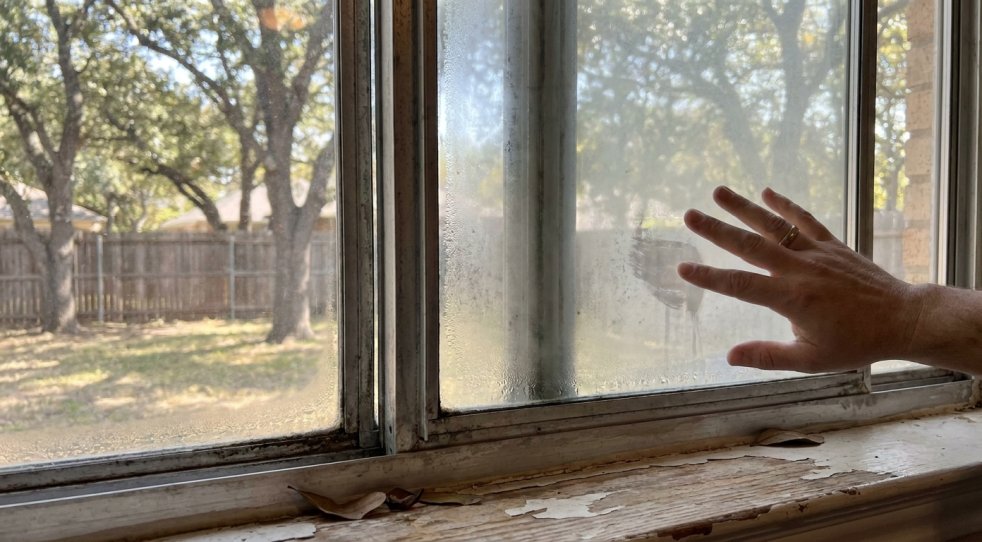
2. You Have Fog Between the Glass Panes
If you notice moisture, haze, or condensation trapped between the panes of glass, the insulated seal has likely failed.
Once the seal breaks, the window loses much of its insulating value and no longer performs as designed.
This is one of the most common issues we see in older DFW homes and often indicates the windows have reached the point where replacement should be considered.
3. Some Rooms Are Noticeably Hotter Than Others
Do you have one room that always feels warmer than the rest of the house?
This is especially common in rooms with significant sun exposure.
Builder-grade windows often struggle to block solar heat gain, allowing excessive heat to enter the home throughout the day. As temperatures rise in North Texas, these differences become even more noticeable.
4. Your Windows Are Difficult to Open or Close
Windows should operate smoothly and lock securely.
Over time, older builder-grade windows can develop problems such as:
-
Sticking
-
Warping
-
Balance failures
-
Broken hardware
If opening your windows feels like a workout, it may be a sign that the windows are simply wearing out.
5. You Feel Drafts Near Your Windows
Even when windows are closed, you shouldn't feel noticeable air movement around the frame.
Worn weatherstripping, deteriorating seals, and age-related frame issues can all allow air infiltration.
Drafts not only reduce comfort but also make your HVAC system work harder to maintain indoor temperatures.
6. Outside Noise Seems Louder Than It Should
Older builder-grade windows typically offer less sound insulation than modern replacement windows.
If you can clearly hear:
-
Traffic
-
Lawn equipment
-
Barking dogs
-
Neighborhood activity
Your windows may not be providing much acoustic protection.
Modern vinyl replacement windows often help reduce outside noise while improving overall comfort.
7. Your Windows Are More Than 15–20 Years Old
Sometimes age alone tells the story.
Many builder-grade windows begin showing signs of performance decline after 15 to 20 years, particularly in the Texas climate.
Years of:
-
Summer heat
-
UV exposure
-
Seasonal storms
-
Temperature swings
can gradually reduce their effectiveness.
Even if the windows still look acceptable, they may no longer be performing efficiently.
Why Many DFW Homeowners Upgrade to Vinyl Windows
Modern vinyl replacement windows offer several advantages over older builder-grade products, including:
-
Better insulation
-
Improved energy efficiency
-
Reduced heat transfer
-
Enhanced comfort
-
Lower maintenance requirements
For homeowners dealing with aging aluminum windows, the difference can be significant.
Not Sure What Type of Windows You Have?
Many homeowners aren't sure whether their windows are original builder-grade units or not.
A professional evaluation can help identify:
-
Window age
-
Frame type
-
Seal condition
-
Energy performance
-
Replacement options
Understanding what you currently have is the first step toward improving comfort, efficiency, and long-term performance.
Learn More About Window Replacement Costs in DFW
If you're considering replacing older windows, we've created a detailed guide explaining typical pricing for window replacement projects throughout Dallas–Fort Worth.
The guide covers average costs, project ranges, and what homeowners should expect when evaluating replacement options.

-Logo.wine.svg)